Not medical advice. Smart rings are consumer wellness devices, not diagnostic tools, unless a specific feature has regulatory authorization (we name it where one exists). This page reports what published studies and makers state, with sources. If a reading worries you, talk to a clinician. Our health-content rules.
Our top pick
Best for Blood Oxygen
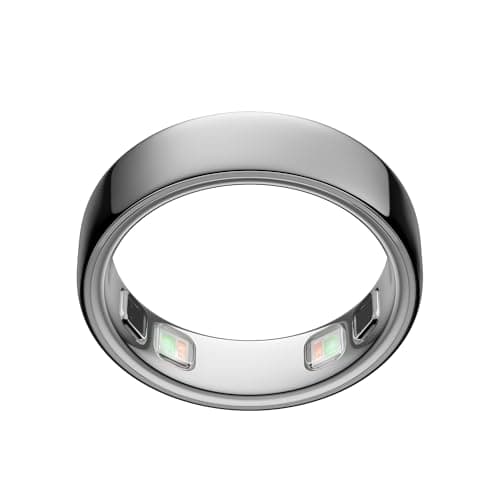
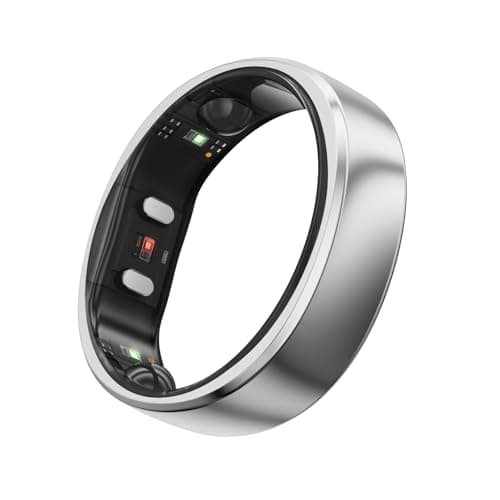
The only ring here from the brand with a real published research record, and blood oxygen is one of the measurements Oura lists. Most of its insights sit behind the Oura Membership.
#ad · Price as of November 13, 2026 · How we make money for the link to Oura Ring 5
Quick picks
The picks at a glance
| # | Product | Best for | Score | Price |
|---|---|---|---|---|
| 1 | Oura Ring 5 The only ring here from the brand with a real published research record, and blood oxygen is one of the measurements Oura lists. Most of its insights sit behind the Oura Membership. | Best blood oxygen ring overallMembership required | 8.9/10Researched | $399.00Amazon #ad · Disclosure |
| 2 | 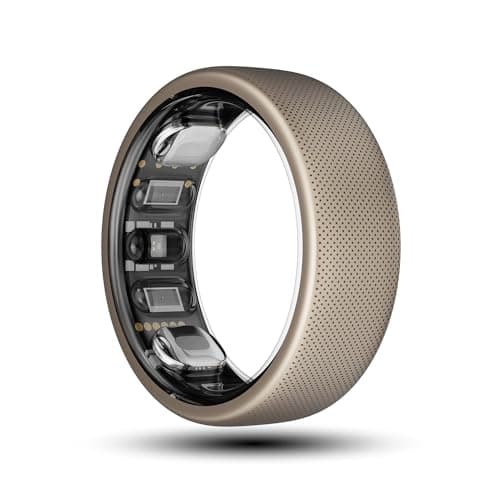 Amazfit Helio Ring Amazfit lists SpO2 among the ring's measurements and charges no required fee. Read the battery claim carefully: the "up to 4 days" figure is measured with blood oxygen switched off. | Cheapest ring with a published SpO2 sensorNo subscription | 8.9/10Researched | $165.72Amazon #ad · Disclosure |
| 3 | 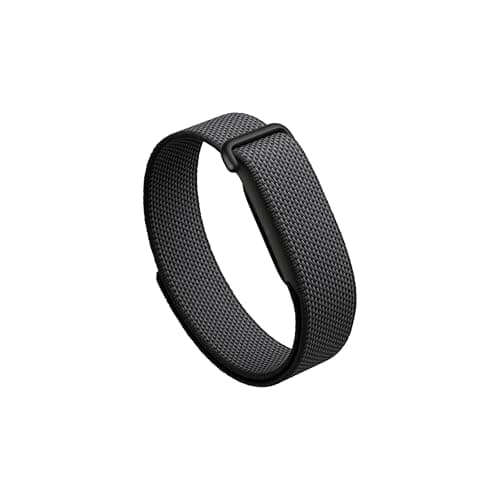 Google Fitbit Air Not a ring. Red and infrared sensors for SpO2, plus sleep stages, heart rate, HRV and Afib alerts, all free in the Google Health app - at a price below every ring on this site. | Budget pick: the cheapest way to read SpO2 overnightNo subscription | 9.2/10Researched | $99.99Amazon #ad · Disclosure |
| 4 | 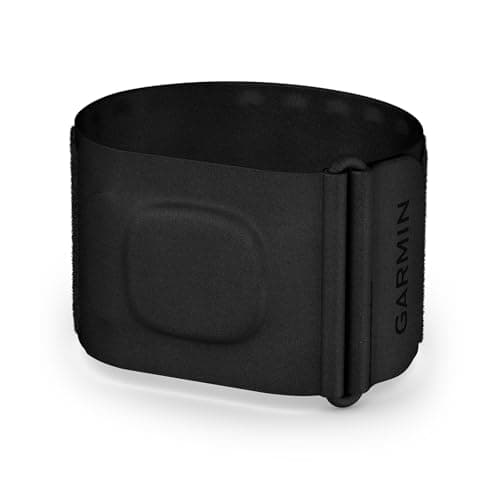 Garmin Index Sleep Monitor A night-only upper-arm band with Pulse Ox, sleep stages, HRV status and Body Battery in the free Garmin Connect app. Garmin claims up to 7 nights a charge with SpO2 on. | Best if you only want the nightNo subscription | 9.2/10Researched | $169.70Amazon #ad · Disclosure |
#ad · Prices come live from Amazon, last checked November 13, 2026. Scores are ours, built from published specs, manuals, warranty terms and named studies. Photos are illustrative stock. Tap a row for the full write-up.
What a ring's blood oxygen number actually is
SpO2 is an estimate of how much of the hemoglobin in your blood is carrying oxygen, expressed as a percentage. A ring works it out optically: red and infrared light are shone into the finger, and the sensor reads how much of each comes back. Oxygenated and deoxygenated blood absorb the two wavelengths differently, so the ratio between them is the estimate.
Two things follow from that, and they shape this whole page. First, it is an estimate from a light reading, not a blood test. Second, it is the measurement most sensitive to how the sensor is sitting against your skin - which is why every brand that offers it measures it while you are still, asleep, and not moving your hand.
How we ranked them
Scores come from our published rubric - three-year cost of ownership (30%), evidence of accuracy (25%), claimed battery (15%), sizing and fit (10%), data ownership (10%) and phone support (10%). For this page specifically, three things decided the order on top of the score:
- Does the maker publish an SpO2 sensor at all? Several rings we cover do not list one. A device that does not claim the measurement cannot be ranked for it, so those rings are named below and left off the list rather than padded onto it.
- What does it cost you to keep reading the number? A blood oxygen trend is only useful over months, so a measurement behind a subscription is a measurement you rent. That is weighted heavily here.
- Is there any independent evidence behind the brand's sensors? Not for SpO2 specifically - we found no published validation of any of these rings' blood oxygen against a reference. What exists is a research record for the brand's heart-rate and sleep sensing, and that is the closest proxy available.
Which rings publish a blood oxygen sensor at all
This is the part most roundups skip. Among the rings in our registry, the makers that list blood oxygen or SpO2 among the ring's published measurements are Oura (blood oxygen appears in Oura Ring 5's feature list) and Amazfit (SpO2 is listed for the Helio Ring). Ultrahuman lists SpO2 for the Ring AIR, but that ring is not sold to US buyers, so it cannot be a pick here - Ring PRO vs Ring AIR explains why.
The rings that do not list it are worth naming too, because people assume every ring measures everything. RingConn's published feature lists for the Gen 2 and Gen 3 are built around sleep, heart rate, HRV, vascular trends and sleep apnea insights rather than a standalone SpO2 reading, and Samsung's Galaxy Ring page leads on sleep, heart rate, skin temperature and its Energy Score. If blood oxygen is your reason for buying, those are not the rings for it - though both are excellent at the jobs they do claim, which is why they lead our no-subscription ranking.
The picks in context
1. Oura Ring 5: best blood oxygen ring overall
Oura lists blood oxygen among Ring 5's measurements alongside heart rate, HRV, temperature trends and its Symptom Radar and Cardiovascular Age features. What separates Oura from everything else here is not the SpO2 claim itself - it is that Oura is the one brand on this site with a genuine independent research record. Studies have put Oura rings against an ECG and against chest straps and published the result; no other ring maker here can say that. That record is about heart rate and sleep rather than blood oxygen, and we are not going to stretch it into a claim it does not support, but it is the only evidence of a brand's sensors being checked by someone other than the brand.
The honest catch: most of Oura's insights sit behind the Oura Membership, which bills for as long as you use the ring. Over three years that is the single biggest cost on this page, and it is why Ring 5 does not top our overall ranking. If you will not pay a monthly fee, the next pick is your answer. The full picture is in the Oura Ring 5 review.
2. Amazfit Helio Ring: cheapest ring with a published SpO2 sensor
Amazfit lists SpO2 among the Helio Ring's measurements, along with readiness, sleep stages, sleep breathing quality, sleep HRV, resting heart rate, stress and cycle tracking. It is the cheapest ring on this site from a maker that publishes a full spec sheet, a sizing guide and a support line, and it charges no required subscription.
The honest catch, and it matters on this page specifically: Amazfit's “up to 4 days” battery figure is quoted for a “Typical Usage Scenario” with heart rate, assisted sleep and stress monitoring on and blood oxygen off. Turn on the measurement this page is about and the published figure no longer describes what you are running. It is also made in sizes 8, 10 and 12 only, so whole groups of fingers are simply not served. The Amazfit Helio Ring review has the detail.
3. Fitbit Air: the budget pick, and the cheapest route to an overnight SpO2 chart
Not a ring - and on this measurement, that is the point. Google lists red and infrared sensors specifically for SpO2, alongside 24/7 heart rate, HRV, sleep stages, Sleep Score and heart-rhythm monitoring with Afib alerts, and puts all of it in the free Google Health app. Only the Gemini coach sits behind a plan. It is the cheapest device on this page by a wide margin.
The honest catch: it is a screenless wrist tracker, so every reading has to be opened in the app, and a Google Account is mandatory - your health data sits in a Google product. If you came here wanting a ring, this is not one. If you came here wanting the number, it is the cheapest honest way to get it. Where it ranks against the other no-fee trackers is in the best fitness trackers with no subscription.
4. Garmin Index Sleep Monitor: best if you only care about the night
Garmin's night-only upper-arm band reads Pulse Ox, sleep stages, HRV status, breathing variations, respiration rate, skin temperature and Body Battery, all in the free Garmin Connect app with no required plan. Garmin claims up to 7 nights a charge with SpO2 enabled - the only device here whose published battery figure is quoted with the blood oxygen measurement switched on, which is a meaningful difference from the Amazfit ring above.
The honest catch: it does nothing in the daytime. No steps, no workout recording. It is a sleep instrument, not an all-day wearable, and an upper-arm band is more noticeable in bed than a ring for some sleepers.
Side by side
Every figure above is the maker's own, linked to the page it came from. Prices move daily, so we show them live from Amazon in the buy rows rather than printing a number here that would be wrong next week.
What the overnight chart is actually worth
Here is the useful framing, and it is the reason this page exists rather than a list of percentages.
A single SpO2 number from a ring is close to meaningless. It is one optical estimate from one moment, on a finger, through skin that varies in temperature and perfusion. Do not read a 94% at 3am as a fact about your body.
The overnight pattern is the part worth having. What these devices actually produce is a chart of estimates across a night. A chart that sits flat is uninformative. A chart with a repeated, pronounced dipping pattern, night after night, is a prompt - not a finding - to raise it with a clinician, particularly alongside snoring or daytime sleepiness. That is the whole honest use case, and brands that offer sleep apnea features build them on exactly this signal. Our guide to smart rings and sleep apnea covers what has and has not been shown there.
The cheaper devices that read the same signal
Two of the four picks above are not rings, and that is deliberate. If the blood oxygen measurement is genuinely your reason for buying, the ring form factor is costing you money rather than earning it: the Fitbit Air and the Garmin Index Sleep Monitor both publish an SpO2 or Pulse Ox sensor and both sit below every ring on this site on price.
There is a third option this page will not rank but should name: a fingertip pulse oximeter. A dedicated spot-check oximeter is a different instrument with a different job - it gives you one reading on demand rather than a trend across a night - and we do not cover them, so we are not going to pretend to rank them. If you want a single number right now rather than a pattern over weeks, that is the category to look at, and your pharmacy sells them.
What to check before you buy
- Whether the maker lists the sensor at all. Marketing pages talk about “wellness insights”; the spec sheet is where SpO2 either appears or does not.
- Whether the battery figure assumes it is switched off. Amazfit's does. Garmin's does not. That single line changes what you will actually live with.
- Whether the reading is free. A trend you stop seeing when you stop paying is rented, not owned - the arithmetic is in what a smart ring costs over three years.
- Whether the fit is right. Optical readings depend on steady skin contact more than any other measurement here. Our sizing guide covers what snug means.
Mistakes to avoid
- Buying a ring for SpO2 without checking the spec sheet. Several excellent rings do not offer the measurement at all.
- Treating a low overnight reading as a diagnosis. It is an optical estimate. The pattern is a prompt to ask a clinician, nothing more.
- Paying ring money for a measurement a cheaper device also publishes. If SpO2 is the whole reason, the budget pick above reads the same signal.
- Assuming the advertised battery life holds with it on. Read which features the maker had enabled when it measured.
In detail
The picks, in full
Rank 01
Best blood oxygen ring overall
Oura Ring 5
The only ring here from the brand with a real published research record, and blood oxygen is one of the measurements Oura lists. Most of its insights sit behind the Oura Membership.
Published specsResearched · every value sourced
How the 8.9 score breaks down
- Cost of ownership (3 years) (30%)
- 8.2
- Evidence of accuracy (25%)
- 9.5
- Battery (claimed) (15%)
- 9.0
- Sizing & fit (10%)
- 9.2
- Data ownership (10%)
- 8.5
- Platform support (10%)
- 9.7
What the specs support
- Oura's Gen 3 and Gen 4 rings have the strongest independent validation of any ring we found, including the only peer-reviewed study against a Polar H10 chest strap
- Works on iPhone and Android
- Waterproof to 100 m
- Brand-made sizing kit available on Amazon
Trade-offs
- Without the membership you see only three daily scores
- The membership fee runs for as long as you use the ring (three-year math on every Oura page)
- Batteries are excluded from the 1-year warranty
- Ring 5 itself has not yet been through the published studies its predecessors have
- Narrower size range (6-13) than Ring 4 (4-15)
Good to know
Consider another pick if you won't pay a monthly or yearly fee for your own sleep data: without the membership, Oura shows only its three daily scores.
#ad · Price as of November 13, 2026 · How we make money for the link to Oura Ring 5
Rank 02
Cheapest ring with a published SpO2 sensor
Amazfit Helio Ring
Amazfit lists SpO2 among the ring's measurements and charges no required fee. Read the battery claim carefully: the "up to 4 days" figure is measured with blood oxygen switched off.
Published specsResearched · every value sourced
How the 8.9 score breaks down
- Cost of ownership (3 years) (30%)
- 9.7
- Evidence of accuracy (25%)
- 8.0
- Battery (claimed) (15%)
- 8.5
- Sizing & fit (10%)
- 8.2
- Data ownership (10%)
- 9.0
- Platform support (10%)
- 9.7
What the specs support
- No required subscription, from a brand that sells watches in every US electronics aisle
- The cheapest ring on this site from a maker that publishes specs, sizing and a support line
- A 10 ATM rating cited to a watch standard (ISO 22810:2010) and a named test report, which is a clearer basis than an IP rating quoted with a depth
- Works on iPhone and Android, and syncs to Apple Health, Google Fit and Strava
Trade-offs
- "Up to 4 days" is the shortest battery claim of any ring we cover, and there is no charging case to fall back on
- Only three sizes (8, 10, 12), so whole groups of fingers are simply not served
- We found no published validation of the Helio Ring against a chest strap, an ECG or a sleep lab
- Amazfit's own footnote puts readiness insights behind Zepp Aura, a plan the brand currently bundles free - a condition it controls, not you
Good to know
Consider another pick if your finger is not a size 8, 10 or 12, or you want more than four days between charges: RingConn's rings run 10-12 days and come in sizes 6-14.
#ad · Price as of November 13, 2026 · How we make money for the link to Amazfit Helio Ring
Rank 03
Budget pick: the cheapest way to read SpO2 overnight
Google Fitbit Air
Not a ring. Red and infrared sensors for SpO2, plus sleep stages, heart rate, HRV and Afib alerts, all free in the Google Health app - at a price below every ring on this site.
Published specsResearched · every value sourced
How the 9.2 score breaks down
- Cost of ownership (3 years) (30%)
- 9.7
- Evidence of accuracy (25%)
- 8.7
- Battery (claimed) (15%)
- 9.0
- Sizing & fit (10%)
- 9.5
- Data ownership (10%)
- 9.0
- Platform support (10%)
- 9.7
What the specs support
- No required plan: sleep stages, Sleep Score, heart rate, HRV and SpO2 all show in the free Google Health app
- Nothing on your finger, and no ring size to guess before you buy
- Claimed 7 days per charge, and five minutes on the cable buys a full day
- Afib alerts and SpO2 at a price well below every ring on this site
- Works with iPhone and Android, and the band is rated to 50 meters
Trade-offs
- No published study has tested this tracker; the only Fitbit in our evidence library is the older Sense 2, which staged sleep less accurately than an Oura ring
- A Google Account is mandatory, so your health data sits in a Google product
- Screenless: every reading has to be read in the app, and there is no display to glance at
- Wrist-worn, so it has the same in-bed bulk problem that sends many buyers to a ring
- The Gemini Health Coach, the feature Google markets hardest, is the part you have to pay for
Good to know
Consider another pick if you want a device with published validation behind it, or you refuse to put your health data behind a mandatory Google Account.
#ad · Price as of November 13, 2026 · How we make money for the link to Google Fitbit Air
Rank 04
Best if you only want the night
Garmin Index Sleep Monitor
A night-only upper-arm band with Pulse Ox, sleep stages, HRV status and Body Battery in the free Garmin Connect app. Garmin claims up to 7 nights a charge with SpO2 on.
Published specsResearched · every value sourced
How the 9.2 score breaks down
- Cost of ownership (3 years) (30%)
- 9.7
- Evidence of accuracy (25%)
- 8.5
- Battery (claimed) (15%)
- 9.0
- Sizing & fit (10%)
- 9.5
- Data ownership (10%)
- 9.2
- Platform support (10%)
- 9.7
What the specs support
- No subscription: every metric the band records shows in the free Garmin Connect app
- Nothing on your finger or wrist; the band sits on the upper arm and comes off in the morning
- Claimed 7 nights per charge; DC Rainmaker saw 8-9
- Two band sizes and no ring-size guesswork
- Works with iPhone and Android and doesn't need a Garmin watch
Trade-offs
- Built for sleep: no steps and no workout recording, so it's a sleep tracker, not an all-day wearable
- No published validation of this band against a chest strap or a sleep lab; the one study of a Garmin device at night used an older Fenix 6 watch
- DC Rainmaker found a bug where tapping to snooze the alarm ended the night's sleep data
- An upper-arm band is more visible in bed than a ring
Good to know
Consider another pick if you want one device that counts steps and records workouts as well as your sleep: the Index Sleep Monitor does neither.
#ad · Price as of November 13, 2026 · How we make money for the link to Garmin Index Sleep Monitor
If you are choosing between these four
You want a ring and you will pay a membership: Oura Ring 5. It is the only pick here from a brand whose sensors have been checked independently, and blood oxygen is on its published list.
You want a ring and you will not pay a fee: Amazfit Helio Ring, with your eyes open about the battery figure and the three sizes.
You want the measurement, not the ring: Fitbit Air for the lowest price, or the Garmin Index Sleep Monitor if you only want the night and want a battery figure quoted with SpO2 on.
And if what you actually want is the broader picture rather than this one measurement, our overall smart ring ranking weighs cost, evidence, battery and sizing together.
The bottom line
Our recommendation
Our pick · Best for Blood Oxygen
The only ring here from the brand with a real published research record, and blood oxygen is one of the measurements Oura lists. Most of its insights sit behind the Oura Membership.
#ad · Price as of November 13, 2026 · How we make money for the link to Oura Ring 5
Runner-up
Amazfit lists SpO2 among the ring's measurements and charges no required fee. Read the battery claim carefully: the "up to 4 days" figure is measured with blood oxygen switched off.
#ad · Price as of November 13, 2026 · How we make money for the link to Amazfit Helio Ring
How we scored this
How these picks were chosen
Every pick here is labeled Researched: chosen from each brand's fee policy, spec sheet, sizing and warranty pages, and the published studies that measured the ring (or its predecessor) against a chest strap, an ECG or a sleep lab, then scored on a public rubric. Every figure links to where it came from, and maker performance numbers are labeled “maker's claim,” so you can see exactly what you're paying for before you buy.
Scores are editorial judgments built from that documented research. Commissions never set a score or decide a pick. The rubric and its weights are published.
Questions
Frequently asked
Which smart ring is best for blood oxygen?
Do all smart rings measure blood oxygen?
Is smart ring blood oxygen accurate?
Can a smart ring detect sleep apnea from blood oxygen?
Does measuring blood oxygen drain the battery?
Receipts
Sources
- Oura: Oura Ring 5 store page (battery, water rating, sizes, HSA/FSA) (checked 2026-09-19)
- Amazfit US: Helio Ring product page ("No Subscriptions Required"; battery "Up to 4 days" in the "Typical Usage Scenario" with heart rate, assisted sleep and stress monitoring on and blood oxygen off; "Theoretical Charging Duration" of "Approx. 1 hour, 40 minutes" on a wireless charger; cell capacity 16.5 mAh at size 8, 18.5 mAh at size 10 and 20.5 mAh at size 12; "10 ATM" per ISO 22810:2010 with advice to remove it for hot showers and saunas; sizes 8, 10 and 12 at 3.65-3.82 g, 8 mm wide and 2.6 mm thick; titanium alloy outer ring with a resin inner ring; BioTracker PPG sensor, temperature sensor, EDA sensor, 3-axis accelerometer and gyroscope; readiness, sleep stages, sleep breathing quality, sleep HRV and RHR, SpO2, stress, PAI; Zepp App on "Android 7.0 and above, iOS 14.0 and above"; Zepp Aura "now free for Amazfit Helio Ring users" and Zepp Fitness "totally free for Amazfit Helio Ring users", with footnote 3 stating "Readiness insights require subscription to Zepp Aura"; packing list of ring, wireless charger and manual) (checked 2026-10-23)
- Google blog: introducing the new Google Fitbit Air (May 2026) (checked 2026-09-24)
- Garmin: Index Sleep Monitor owner's manual, specifications (checked 2026-09-21)
- RingConn: Gen 2 product page (checked 2026-09-19)
- Samsung US: Galaxy Ring product page (checked 2026-09-19)
Every figure on this page is traceable. Fees come from each brand's own policy pages (with the date we checked), specs from maker pages and listings, and accuracy claims from named, published studies. Hardware prices are set by Amazon and change daily, so we link them live instead of printing them. Read the full method.