Not medical advice. Smart rings are consumer wellness devices, not diagnostic tools, unless a specific feature has regulatory authorization (we name it where one exists). This page reports what published studies and makers state, with sources. If a reading worries you, talk to a clinician. Our health-content rules.
How a ring estimates SpO2
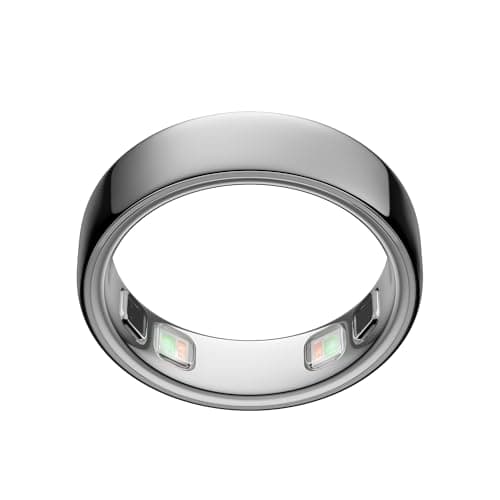
Pulse oximetry works because oxygenated and deoxygenated haemoglobin absorb red and infrared light differently. Shine both wavelengths through tissue, measure how much comes back, and the ratio of the pulsing components gives an estimate of the percentage of haemoglobin carrying oxygen. A clinical fingertip oximeter does this with the emitter and the detector on opposite sides of your finger, through the nail bed, with your hand still.
A ring does it in reflectance mode instead: the light goes in and comes back out on the same side, through the side or underside of a finger, on a device that also has to be jewellery. The Fitbit Air's spec sheet is unusually explicit about the hardware involved - “red and infrared sensors for SpO2” alongside the optical heart rate sensor (Google). Same physics, much harder geometry, which is the root of everything else on this page.
Cleared, or not
This is the fact that should frame the whole feature. Oura lists blood oxygen among the Ring 5's features (Oura) and separately states that no Oura ring feature is FDA-cleared, writing publicly about where wellness features sit under FDA guidance (Oura). Samsung lists sleep, heart rate and temperature trends for the Galaxy Ring; its announced FDA-cleared feature is sleep apnea, not oximetry (Android Authority).
A ring-shaped pulse oximeter has been cleared, which makes the contrast instructive. In December 2024 the FDA cleared the pulse oximeter in Movano Health's EvieMED Ring, and the clearance was framed for clinical trials and remote patient monitoring (AASM). That is a different product class with a different purpose from the ring you buy on Amazon for your own sleep. If you want a number for a clinical decision, that is the lane it lives in - and the device class we discuss on smart ring vs a sleep study.
Why the number is an overnight metric
Every brand that shows SpO2 on a ring shows it for sleep. That is not a marketing decision, it is the only window in which the measurement has a chance. Reflectance oximetry needs a still finger, steady perfusion and consistent sensor contact, and the only several-hour block when a hand reliably provides all three is when you are asleep.
It is also where the clinically interesting pattern lives. Repeated oxygen desaturations through the night are one of the fingerprints of obstructive sleep apnea, which is why apnea features on wearables lean on this channel - see best smart ring for sleep apnea. Note that the 2026 meta-analysis of finger-worn devices framed this whole category as a trend and severe-apnea triage tool rather than a diagnostic one (Jin et al., J Translational Medicine 2026).
What throws it off
- Fit. A ring that rotates or slides breaks the optical path. This is the single most common cause of a chart full of gaps and spikes - size with the brand's kit and our sizing guide.
- Cold hands. Peripheral circulation drops in the cold, and an oximeter on a cold finger has less pulsing signal to work with. A cold bedroom shows up as missing data.
- Which finger, and which hand. Position changes sensor contact and perfusion; brands differ on what they recommend. Covered on which finger should you wear a smart ring on.
- Movement. Motion artefact is the oldest problem in pulse oximetry and the reason daytime spot checks from a ring are near-useless.
- Sampling. Rings sample periodically to protect battery - RingConn describes heart rate sampling every 2.5 minutes under its power-saving tech (RingConn). A chart drawn from periodic samples is not a continuous recording.
What to look for in a device
- Is the SpO2 behind a paywall? On Oura, most of the app needs the membership. On RingConn, Samsung, Garmin and the Fitbit Air, the device's own metrics are free.
- Does the maker say what it is for? Brands that print “not a medical device” and name the feature plainly are easier to trust than brands quoting a percentage with nothing behind it.
- Does it fit snugly, every night? The best oximeter you will not wear correctly is worse than a cheaper one you will.
- Is there a non-ring option? An upper arm or a wrist is a steadier platform than a finger, and for a night-only device that may be the better buy.
What we'd buy
Our picks for this job
Devices that report overnight blood oxygen without a required fee (except one)
Two rings and two non-ring alternatives that report overnight oxygen trends. Amazon prices move daily, so check the live price on each before you buy.
Best evidence, if you'll pay the membership
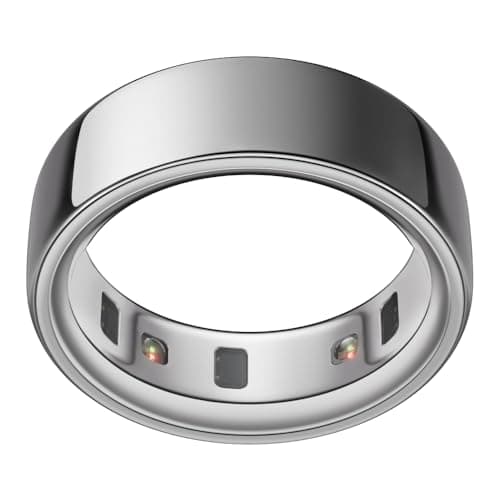
Oura Ring 5
Membership required5.8/10ResearchedOura lists blood oxygen among the Ring 5's features, and the Oura line has by far the deepest published sleep validation. It is also the only device here with a required membership, and Oura states no feature is FDA-cleared.
$399.00Amazon#ad · Price as of October 11, 2026 · How we make money for the link to Oura Ring 5
Best overall with no subscription
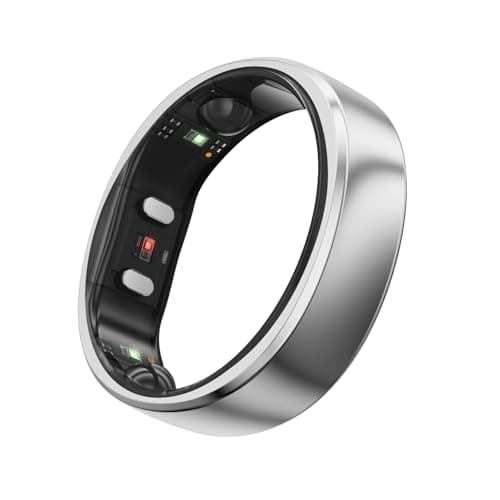
RingConn Gen 2
No subscription8.2/10ResearchedNo subscription, 10-12 days a charge with the case included, and RingConn names automatic sleep apnea monitoring - the feature this channel feeds. Nothing is paywalled.
$299.00Amazon#ad · Price as of October 11, 2026 · How we make money for the link to RingConn Gen 2
Best no-fee sleep tracker that isn't a ring
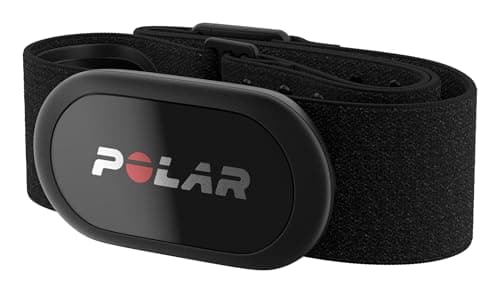
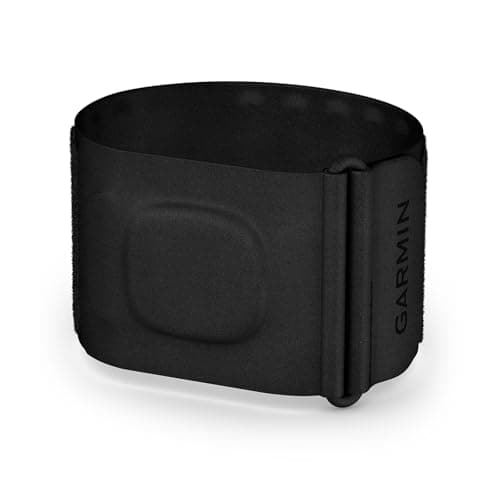
Garmin Index Sleep Monitor
No subscription7.0/10ResearchedAn upper-arm band claimed at up to 7 nights with SpO2, reporting Pulse Ox, HRV status and breathing variations in the free Garmin Connect app. A steadier platform than a finger, and it does nothing in the daytime by design.
$169.70Amazon#ad · Price as of October 11, 2026 · How we make money for the link to Garmin Index Sleep Monitor
Best no-fee tracker for a buyer who won't wear a ring
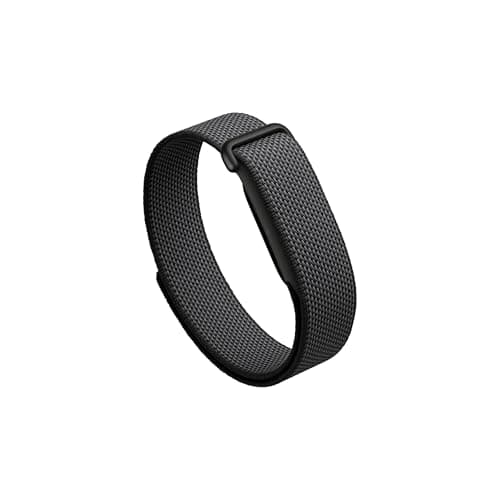
Google Fitbit Air
No subscription7.2/10ResearchedThe clearest hardware disclosure here - red and infrared sensors named on the spec sheet - at 12 g with the band, up to 7 days claimed, and SpO2, sleep stages and Afib alerts free in the Google Health app.
$99.99Amazon#ad · Price as of October 11, 2026 · How we make money for the link to Google Fitbit Air
Reading your own chart
Three rules. First, read the shape, not the number: a line that sits flat all night is the reassuring result, and a line that dips repeatedly in a sawtooth is the pattern worth asking about. Second, ignore single low values - one 88% at 4am on a wellness ring is a sensor story far more often than a physiology story. Third, compare yourself only with yourself, across weeks.
And if the chart genuinely looks like repeated desaturations night after night, the next step is a clinician, not a second device. What a proper test measures that no ring can is on smart ring vs a sleep study.
Mistakes to avoid
- Using a ring as a pulse oximeter. If you need a reading - with a respiratory illness, at altitude, with a lung condition - buy a fingertip oximeter or ask a clinician. A ring is not that device.
- Spot-checking during the day. Movement wrecks it, and no brand presents the daytime figure as the product.
- Reading a marketplace listing's SpO2 accuracy claim as real. No brand that publishes real specifications states one - see best smart rings under $100.
- Confusing blood oxygen with blood pressure or glucose. Different measurements, different physics, and one of them no ring can do at all: can a smart ring measure blood pressure.
- Wearing it loose because it is more comfortable. Comfortable and loose is the same as no data.
How we scored this
How these picks were chosen
Every pick here is labeled Researched: chosen from each brand's fee policy, spec sheet, sizing and warranty pages, and the published studies that measured the ring (or its predecessor) against a chest strap, an ECG or a sleep lab, then scored on a public rubric. Every figure links to where it came from, and maker performance numbers are labeled “maker's claim,” so you can see exactly what you're paying for before you buy.
Scores are editorial judgments built from that documented research. Commissions never set a score or decide a pick. The rubric and its weights are published.
What changed
- Published.
Questions
Frequently asked
How accurate is blood oxygen on a smart ring?
Is any smart ring an FDA-cleared pulse oximeter?
Why does my ring's blood oxygen only show at night?
Why is my overnight SpO2 chart full of gaps?
Should a low ring SpO2 reading worry me?
Receipts
Sources
- Oura: Oura Ring 5 store page (battery, water rating, sizes, HSA/FSA) (checked 2026-09-19)
- Oura blog: what the new FDA wellness guidance means (Feb 10, 2026) (checked 2026-09-19)
- AASM: FDA clears the pulse oximeter in Movano Health's EvieMED Ring (Dec 2, 2024; clinical trials and remote patient monitoring) (checked 2026-09-29)
- Jin et al., J Translational Medicine 2026: finger-worn devices for sleep staging and apnea, meta-analysis (PMC13348430) (checked 2026-09-19)
- Google Store: Google Fitbit Air tech specs (battery, sensors, water rating, sizes, compatibility) (checked 2026-09-24)
- Google blog: introducing the new Google Fitbit Air (May 2026) (checked 2026-09-24)
- Garmin press release: Index Sleep Monitor smart sleep band (June 18, 2025) (checked 2026-09-21)
- Garmin: Index Sleep Monitor owner's manual, specifications (checked 2026-09-21)
- RingConn: Gen 2 product page (checked 2026-09-19)
- RingConn: how long a ring battery lasts (Gen 2 "10 to 12 days on a single charge"; "In just an hour and a half, your ring is fully recharged"; "EcoPower Tech" cutting power use "by up to 50%" while sampling heart rate "every 2.5 minutes"; names ring size, background Bluetooth and syncing, and sunlight, hot cars and humidity as the things that shorten a charge) (checked 2026-10-09)
- Samsung US: Galaxy Ring product page (checked 2026-09-19)
- Android Authority: Samsung Galaxy Ring sleep apnea feature (July 22, 2026) (checked 2026-09-19)
Every figure on this page is traceable. Fees come from each brand's own policy pages (with the date we checked), specs from maker pages and listings, and accuracy claims from named, published studies. Hardware prices are set by Amazon and change daily, so we link them live instead of printing them. Read the full method.