Why no ring works alone
Three things have to happen for a wearable to be useful: measure, process, display. A ring measures. It has a tiny processor and a few days of storage, so some processing happens on the ring. Displaying is where it stops - there is nowhere to put a screen on a band 2 to 2.3 mm thick, and even if there were, the battery could not run it. We went through that trade in full on best smart rings with a display.
On top of that, the heavier processing - sleep staging, HRV analysis, score generation - happens in the app or on the brand's servers, not on the ring. So even the data your ring did collect only becomes readable once a phone has picked it up.
What each brand requires
- RingConn Gen 2: iOS 17.0 or newer, or Android 10.0 or newer (RingConn) - the most permissive position here, with no paid tier of any kind.
- Samsung Galaxy Ring: Android 11 or newer, no iPhone support at all, and some features need a Samsung Galaxy handset (Samsung Canada). Samsung Health is free but tied to a Samsung account (Samsung).
- Oura Ring 5: iOS and Android, plus the Oura Membership for most of what the app shows - without it you see only the three daily scores (Oura Support). An account is required either way.
- Ultrahuman Ring PRO: Ultrahuman does not state the Ring PRO's phone requirements on its buy page, product page or US FAQ; the FAQ gives Bluetooth Low Energy 5.3 and nothing else (Ultrahuman). For the older Ring AIR it publishes iOS 15 or later and Android 6 or later.
- Circular Ring 2: iOS 15 and later, Android 9 and later (Circular).
- Google Fitbit Air: Android 11.0 or higher or iOS 16.4 or higher, and “a Google Account is required” (Google).
There is no ring in this category with a web-only setup path, a PC companion app, or a mode that works with a tablet instead of a phone that we could verify from a maker's own documentation.
How long a ring holds data without a phone
This is the practical version of the question, and the answer is reassuring: a ring away from its phone keeps measuring and buffers the results. No maker in our registry publishes an exact buffer in days, so we will not invent one - but the behaviour is well understood, and in practice a weekend, a flight or a camping trip is not a problem. Put the phone back in Bluetooth range and the nights appear.
What does cost you is battery. RingConn names background Bluetooth and syncing as drain factors and describes sampling heart rate every 2.5 minutes under its power-saving tech (RingConn); a ring that keeps hunting for a phone that is not there is working harder than one that is paired. If you are going off-grid, the useful move is to charge the ring before you leave and not worry about the sync.
The account question, and why it belongs on this site
“Without a phone” is often really “without handing my data to a company”. That is a different question with a better answer, because the brands differ enormously. RingConn has no paid tier and nothing locked. Samsung requires an account but charges nothing. Google requires a Google Account. Oura requires an account and a membership for most features.
Account requirements, export options and what each privacy policy actually says are the subject of smart ring data privacy, and the fee side is on do smart rings require a subscription. If data ownership is your reason for asking, those two pages are the ones to read next.
What to look for if this matters
- Onboard memory, stated by the maker. This is the only specification that means “works without a phone”. Polar publishes 30 hours of session storage for the H10; Garmin says the HRM 600 records an activity on its own and syncs afterwards.
- No required subscription. A device that stops working when a payment lapses is the opposite of independent.
- Export to a platform you control. Apple Health or Google Health Connect at minimum.
- A low account burden. Fewer mandatory accounts, fewer places your nights live.
- Honest expectations. Nothing in this category gives you numbers without a screen somewhere in the chain.
What we'd buy
Our picks for this job
The ring that asks for least, and the two devices that record on their own
One ring with no paid tier and broad phone support, and two chest straps with onboard memory that genuinely record without a phone nearby. Check the live price on each.
Best overall with no subscription
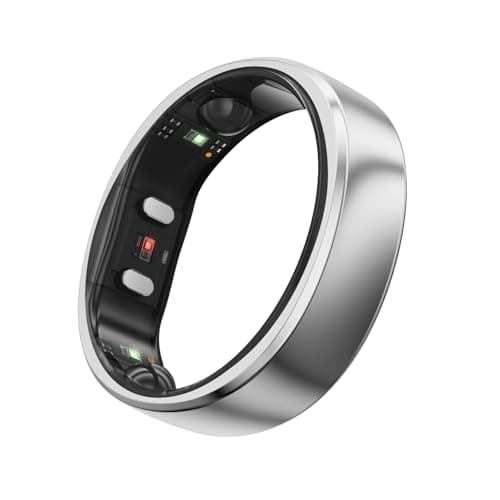
RingConn Gen 2
No subscription8.2/10ResearchedThe lightest set of requirements of any ring here: iOS 17 or Android 10, no paid tier at all, nothing locked behind a plan, and 10-12 days a charge with the case included. It still needs the app.
$299.00Amazon#ad · Price as of October 11, 2026 · How we make money for the link to RingConn Gen 2
Best strap to check a ring against
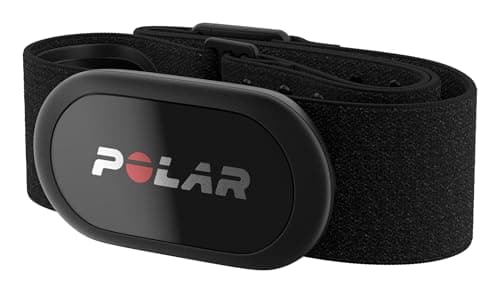
Polar H10
8.6/10ResearchedThe one device here that works with nothing else present: it stores one training session of up to 30 hours on its own, runs about 400 hours on a coin cell, and was the criterion device in the peer-reviewed ring study.
$84.74Amazon#ad · Price as of October 11, 2026 · How we make money for the link to Polar H10
Best rechargeable strap
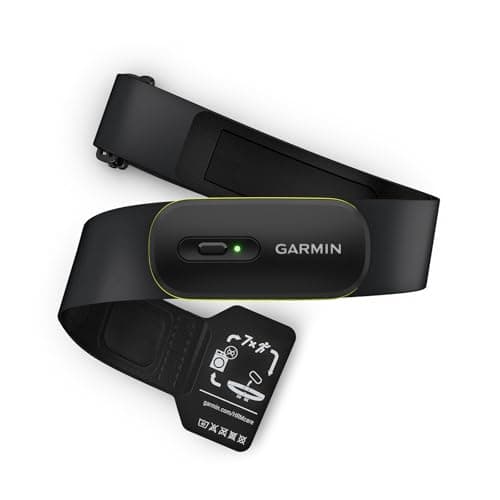
Garmin HRM 600
7.6/10ResearchedGarmin's rechargeable strap records an activity by itself and syncs later, so the phone can stay in a locker. Up to two months per charge at an hour a day, and two strap sizes.
$157.90Amazon#ad · Price as of October 11, 2026 · How we make money for the link to Garmin HRM 600
Realistic answers to the real question
- “I don't want a screen in bed.” A ring is exactly right. It has no screen; the phone can stay in another room overnight and sync in the morning.
- “I want data on a trip with no signal.” Fine. The ring collects and syncs when you are back in range. Charge it first.
- “I don't own a smartphone.” Then no ring in this category is usable. A chest strap with onboard memory, read on a computer, is the closest option.
- “I want to see the number on my hand.” That is a watch - see smart ring vs smartwatch.
- “I want nothing on my body at all.” An under-mattress mat, which still needs an app but nothing worn - best under-mattress sleep trackers.
Mistakes to avoid
- Buying a ring expecting it to work with a tablet or a laptop. No maker documents that path.
- Buying a Galaxy Ring for an iPhone household. It will never pair. Alternatives are on best Galaxy Ring alternatives.
- Trusting a marketplace listing that claims standalone operation. If a ring with no screen claims to work without an app, something in that listing is wrong - best smart rings under $100.
- Leaving the ring unpaired for weeks to “save” data. It costs battery and buys you nothing.
- Confusing “no subscription” with “no account”. Most no-fee rings still require one.
How we scored this
How these picks were chosen
Every pick here is labeled Researched: chosen from each brand's fee policy, spec sheet, sizing and warranty pages, and the published studies that measured the ring (or its predecessor) against a chest strap, an ECG or a sleep lab, then scored on a public rubric. Every figure links to where it came from, and maker performance numbers are labeled “maker's claim,” so you can see exactly what you're paying for before you buy.
Scores are editorial judgments built from that documented research. Commissions never set a score or decide a pick. The rubric and its weights are published.
What changed
- Published.
Questions
Frequently asked
Can a smart ring work without a phone?
Do smart rings need an account?
How long can a smart ring go without syncing?
Is there any wearable that records without a phone?
Which smart ring asks for the least?
Receipts
Sources
- RingConn: Gen 2 product page (checked 2026-09-19)
- RingConn: how long a ring battery lasts (Gen 2 "10 to 12 days on a single charge"; "In just an hour and a half, your ring is fully recharged"; "EcoPower Tech" cutting power use "by up to 50%" while sampling heart rate "every 2.5 minutes"; names ring size, background Bluetooth and syncing, and sunlight, hot cars and humidity as the things that shorten a charge) (checked 2026-10-09)
- Samsung Canada: Galaxy Ring buy page (compatibility notes) (checked 2026-09-19)
- Samsung US: Galaxy Ring product page (checked 2026-09-19)
- Samsung: Samsung Health app page (free app, Samsung account) (checked 2026-09-26)
- Oura: Oura Ring 5 store page (battery, water rating, sizes, HSA/FSA) (checked 2026-09-19)
- Oura Support: Oura Membership (price, what works without it) (checked 2026-09-19)
- Ultrahuman US: Ring FAQ (ProRelease Technology, BLE 5.3) (checked 2026-09-19)
- Ultrahuman: Ring AIR FAQ (warranty, battery aging, compatibility) (checked 2026-09-19)
- Circular: homepage (compatibility: iOS 15 and later, Android 9 and later) (checked 2026-09-19)
- Google Store: Google Fitbit Air tech specs (battery, sensors, water rating, sizes, compatibility) (checked 2026-09-24)
- Polar: H10 user manual, technical specifications (checked 2026-09-19)
- Garmin press release: Garmin unveils the HRM 600 (checked 2026-09-19)
- Wikipedia: smart ring (displayless designs, haptic feedback, contactless payment rings) (checked 2026-09-29)
Every figure on this page is traceable. Fees come from each brand's own policy pages (with the date we checked), specs from maker pages and listings, and accuracy claims from named, published studies. Hardware prices are set by Amazon and change daily, so we link them live instead of printing them. Read the full method.