Not medical advice. Smart rings are consumer wellness devices, not diagnostic tools, unless a specific feature has regulatory authorization (we name it where one exists). This page reports what published studies and makers state, with sources. If a reading worries you, talk to a clinician. Our health-content rules.
What AFib detection actually means on a wearable
There are two different features, and the listings blur them constantly.
- Irregular rhythm notification. The device watches your pulse in the background, usually optically, and tells you when the rhythm looks irregular in a way consistent with AFib. It is a passive screen. It produces an alert, not a trace.
- An ECG app. You hold still and complete a short recording through electrodes on the device, which produces a single-lead trace classified into categories. This is the one that generates a document a clinician can look at.
A ring is physically capable of the first, because it has the same optical sensor used for heart rate and HRV. The second needs electrodes making contact in two places on your body, which is a hard ask for a band 2 mm thick worn on one finger.
The one ring that claims it
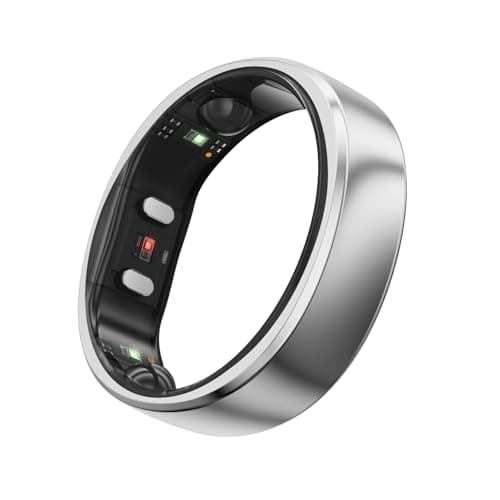
Circular lists single-lead ECG and AFib detection among the Ring 2's features (Circular), alongside “no forced subscription” and a haptic wake-up alarm (Circular's store). It is an interesting ring and we review it properly on our Circular Ring 2 review. Four caveats belong on the same page as the claim:
- We found no published validation of the ring or its ECG feature.
- It is sold through Circular's own store, with no Amazon.com listing we could find - so we carry no buy link for it and earn nothing on it.
- Circular says its sizes run about half a size larger than standard ring sizing, which makes a sizing kit essential.
- Some future features are unlocked with paid Circular Coins, per Tech Advisor's review.
A feature list is not a clearance and not a study. If AFib is your actual concern, the honest reading of that bullet list is that this is not the device to depend on.
Why rings have been left out
- Electrode geometry. A single-lead ECG needs two contact points with a path across the body. A watch does it with a case-back electrode and a crown or button your other hand touches. A ring has one finger to work with.
- Regulatory cost. Clearing a rhythm feature is an expensive, slow process with post-market obligations. Only the biggest wearable companies have done it, and none of them sells a ring with it today.
- Brands are choosing other clearances. Samsung's announced FDA-cleared ring feature is sleep apnea, not rhythm (Android Authority), and Oura has been publicly pursuing blood pressure rather than AFib (MedTech Dive).
- Power. Continuous rhythm surveillance costs battery, and multi-day battery is the thing rings are sold on - see smart ring battery life.
The nearest thing a mainstream ring offers is RingConn's Gen 3 “Vascular Health Insights”, which is about blood pressure trends and comes with “not a medical device” printed beside it (RingConn). The ring-with-an-ECG question more broadly is on best smart ring with ECG.
What to look for in a device
- A cleared feature, named. “Irregular rhythm notifications” and “ECG app” as specific features on a maker's spec page, not “heart health monitoring” in marketing copy.
- No fee for the heart features. Apple charges nothing for any health metric; Google puts the Fitbit Air's own metrics in the free tier.
- Something you will wear at the times it matters. AFib is often paroxysmal. A device charged every night is not watching every night.
- Export. A trace or a log you can hand to a clinician beats a score you can only screenshot.
What we'd buy
Our picks for this job
The one ring that claims it, and the three devices that actually do it
Circular is the only ring listing ECG and AFib detection, and it is brand-store only. The other three are wrist devices with named heart-rhythm features and no fee for them. Check the live price on each.
 Stock photo
No-fee ring with ECG features, bought direct
Circular Ring 2
No forced subscriptionBrand store only6.0/10ResearchedThe only ring we cover that lists single-lead ECG and AFib detection. No published validation, no Amazon listing, sizes running half a size large, and some features behind paid Circular Coins. Included for completeness, not as a recommendation for a rhythm concern.
Sold by Circular only
Not on Amazon.com. We earn nothing on it, so we don't send you anywhere — Circular's own page is cited in the sources below.
Best no-fee tracker for a buyer who won't wear a ring
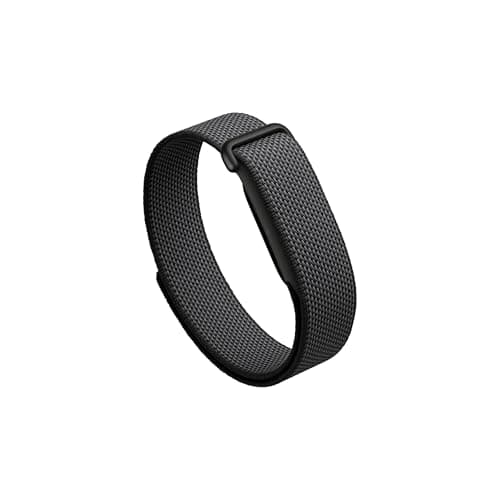
Google Fitbit Air
No subscription7.2/10ResearchedA screenless band at 12 g with the strap that lists heart rhythm monitoring with Afib alerts, plus SpO2, HRV and sleep stages, free in the Google Health app. Up to 7 days claimed - the least intrusive of the three.
$99.99Amazon#ad · Price as of October 11, 2026 · How we make money for the link to Google Fitbit Air
iPhone owners who want ECG and apnea features, not a quiet night
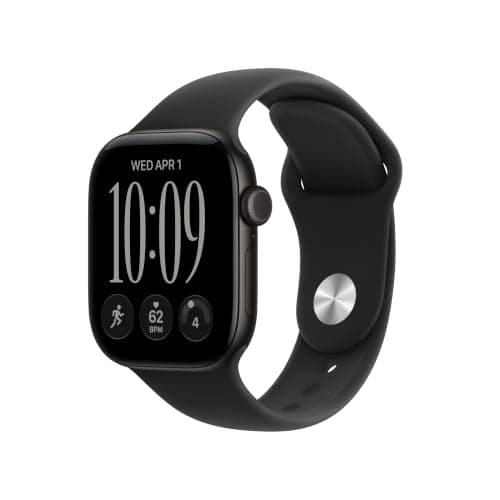
Apple Watch Series 12
No subscription6.7/10ResearchedSecond-generation electrical heart sensor, ECG app, irregular rhythm notifications and high/low heart rate notifications, with no subscription for any of it. iPhone only, and it needs charging daily.
$399.00Amazon#ad · Price as of October 11, 2026 · How we make money for the link to Apple Watch Series 12
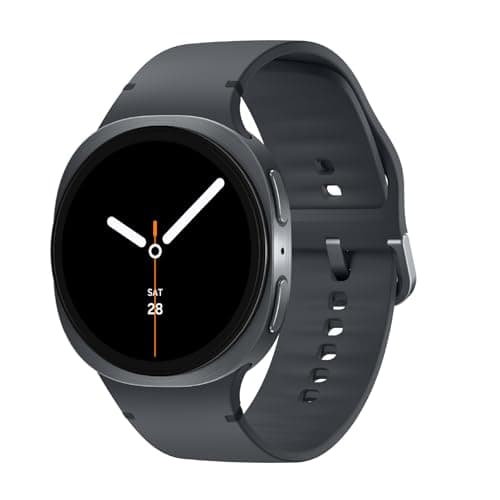
Samsung phone owners who want every Samsung Health feature at once
Samsung Galaxy Watch8
No subscription6.1/10ResearchedECG and Irregular Heart Rhythm Notification free in Samsung Health, for an Android household. A Samsung account is required, and battery is measured in hours rather than days.
$328.49Amazon#ad · Price as of October 11, 2026 · How we make money for the link to Samsung Galaxy Watch8
Both watches carry the same cost that runs through this whole site in reverse: no subscription, but a nightly charge. The full trade is on smart ring vs smartwatch, and Oura vs Apple Watch runs the numbers on owning both.
What a ring is good for here
Context, not detection. If you already have a diagnosis, a no-fee ring is a comfortable way to watch resting heart rate and HRV trend over months, and to see what your sleep looks like across treatment changes. That is a genuinely useful thing to bring to a cardiology appointment, and it costs nothing to keep looking at on a RingConn - which is why it appears on our no-subscription roundup.
What a ring will not do is tell you when you are in AFib. Do not buy one expecting it to.
Mistakes to avoid
- Reading “heart health” as rhythm detection. Almost every ring says the first and means heart rate and HRV.
- Buying a marketplace ring that claims ECG. No brand that publishes real specifications makes that claim except Circular, which is why a cheap listing making it is a warning sign: best smart rings under $100.
- Ignoring symptoms because a wearable looks normal. Paroxysmal AFib can be absent whenever the device happens to be looking.
- Treating an alert as a diagnosis. It is a prompt. The diagnosis happens in a clinic.
- Expecting blood pressure instead. That is a separate question with a worse answer: can a smart ring measure blood pressure.
How we scored this
How these picks were chosen
Every pick here is labeled Researched: chosen from each brand's fee policy, spec sheet, sizing and warranty pages, and the published studies that measured the ring (or its predecessor) against a chest strap, an ECG or a sleep lab, then scored on a public rubric. Every figure links to where it came from, and maker performance numbers are labeled “maker's claim,” so you can see exactly what you're paying for before you buy.
Scores are editorial judgments built from that documented research. Commissions never set a score or decide a pick. The rubric and its weights are published.
What changed
- Published.
Questions
Frequently asked
Is there a smart ring with AFib detection?
Can the Oura Ring detect atrial fibrillation?
Why can't a ring take an ECG?
What should I buy if I'm worried about my heart rhythm?
Is a smart ring useful if I already have an AFib diagnosis?
Receipts
Sources
- Circular: Circular Ring 2 product page (checked 2026-09-19)
- Circular: shop page (subscription, sizing, warranty, HSA/FSA) (checked 2026-09-19)
- Tech Advisor: Circular Ring 2 review (Oct 3, 2025) (checked 2026-09-19)
- RingConn: Gen 3 features page (battery, charging case, vascular and sleep apnea insights) (checked 2026-09-19)
- Oura blog: what the new FDA wellness guidance means (Feb 10, 2026) (checked 2026-09-19)
- MedTech Dive: Oura pursuing FDA clearance for blood pressure (Oct 20, 2025) (checked 2026-09-19)
- Android Authority: Samsung Galaxy Ring sleep apnea feature (July 22, 2026) (checked 2026-09-19)
- Apple: Apple Watch Series 12 technical specifications (checked 2026-09-26)
- Samsung US: Galaxy Watch8 product page (specs, battery, health features, phone requirement) (checked 2026-09-26)
- Google blog: introducing the new Google Fitbit Air (May 2026) (checked 2026-09-24)
- Google Health Help: get started with Google Fitbit Air (checked 2026-09-24)
Every figure on this page is traceable. Fees come from each brand's own policy pages (with the date we checked), specs from maker pages and listings, and accuracy claims from named, published studies. Hardware prices are set by Amazon and change daily, so we link them live instead of printing them. Read the full method.